The Sound of a Good Stone: How Quarrymen Listen to Granite
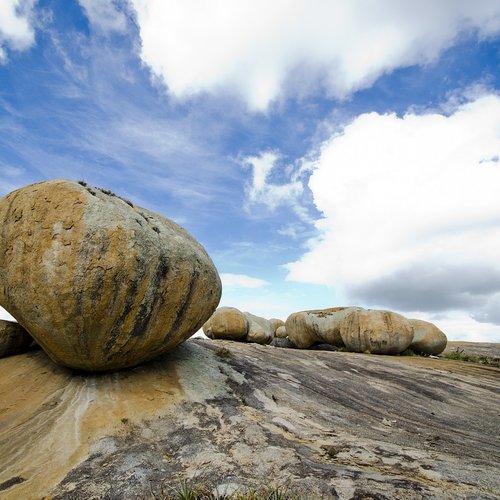
Walk through any old cemetery and you'll notice that the granite markers are the ones still legible while marble and sandstone have faded into anonymity.


Long before diamond saws and hydraulic splitters, quarrymen learned to break granite by heating the rock and quenching it with cold water.
Walk through any old cemetery and you'll notice that the granite markers are the ones still legible while marble and sandstone have faded into anonymity.
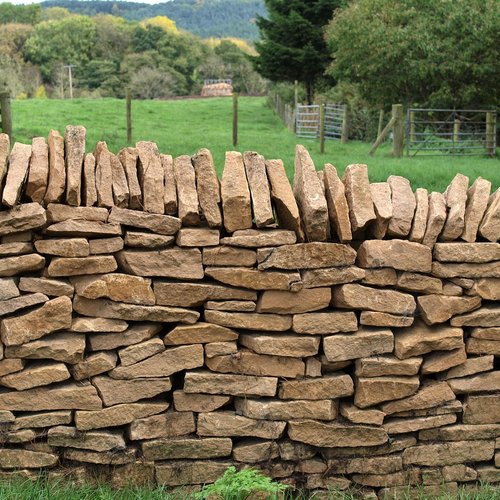
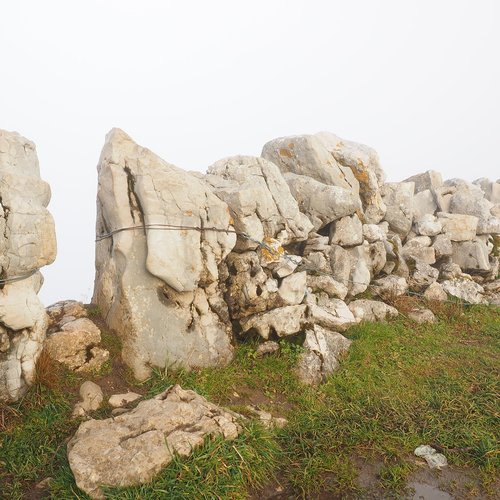
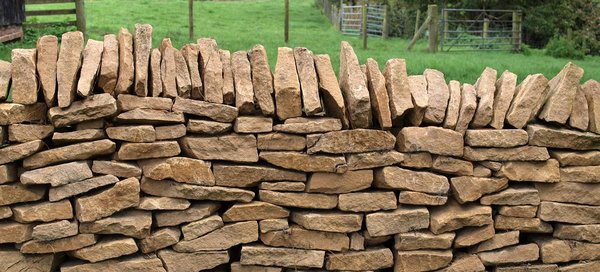
Dry stone masonry with granite is one of the most demanding forms of construction, and it has been holding up hillsides and property lines for centuries.
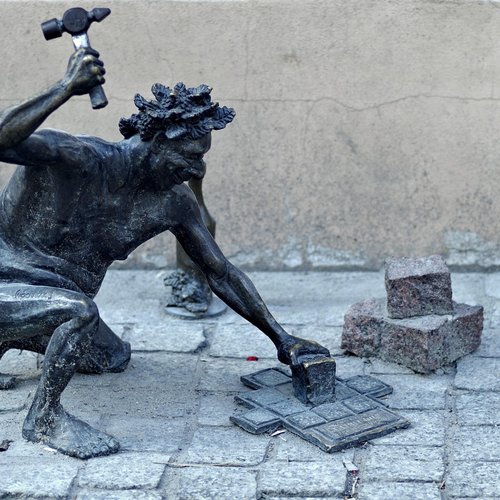
Most people see granite only as a finished surface, but the journey from a quarry face to a showroom slab involves dozens of steps and a lot of decisions.
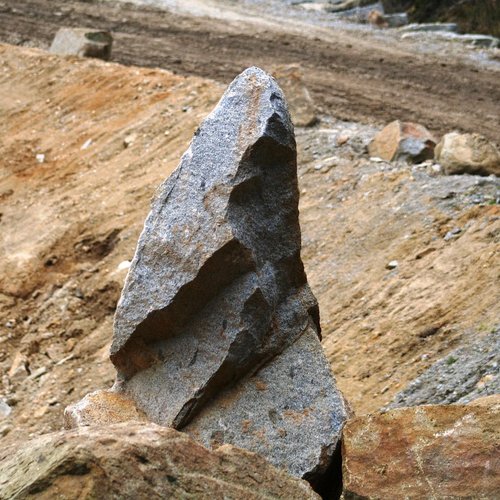
Tapping a granite block with a hammer tells an experienced quarryman more about its quality than any machine, and the skill is still passed down today.
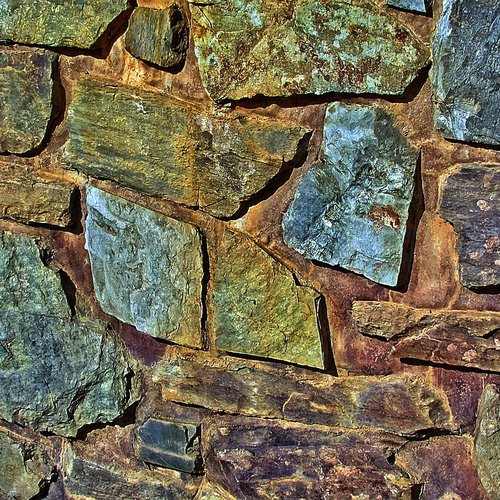
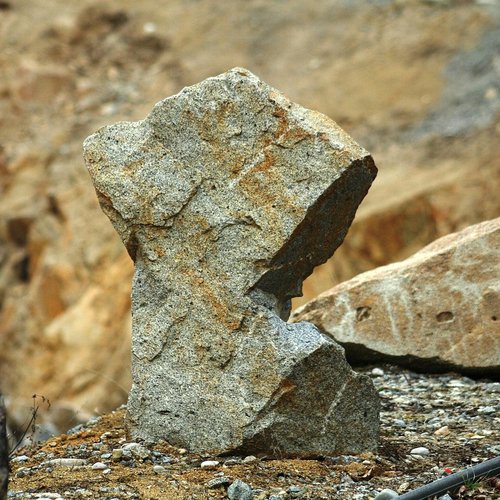
Experienced quarrymen can tell a lot about a granite face just by looking at it, and that first read often decides whether a block becomes a monument or a pile of rubble.

Last Comments
Dry Stone Walls: Granite's Oldest Argument for Patience
From Quarry to Countertop: The Journey of a Granite Block
The Quiet Revival of Traditional Stone Carving in Granite